Shenzhen Watch Manufacturing: Why the World’s Largest Watch Production Hub Powers Global OEM and ODM

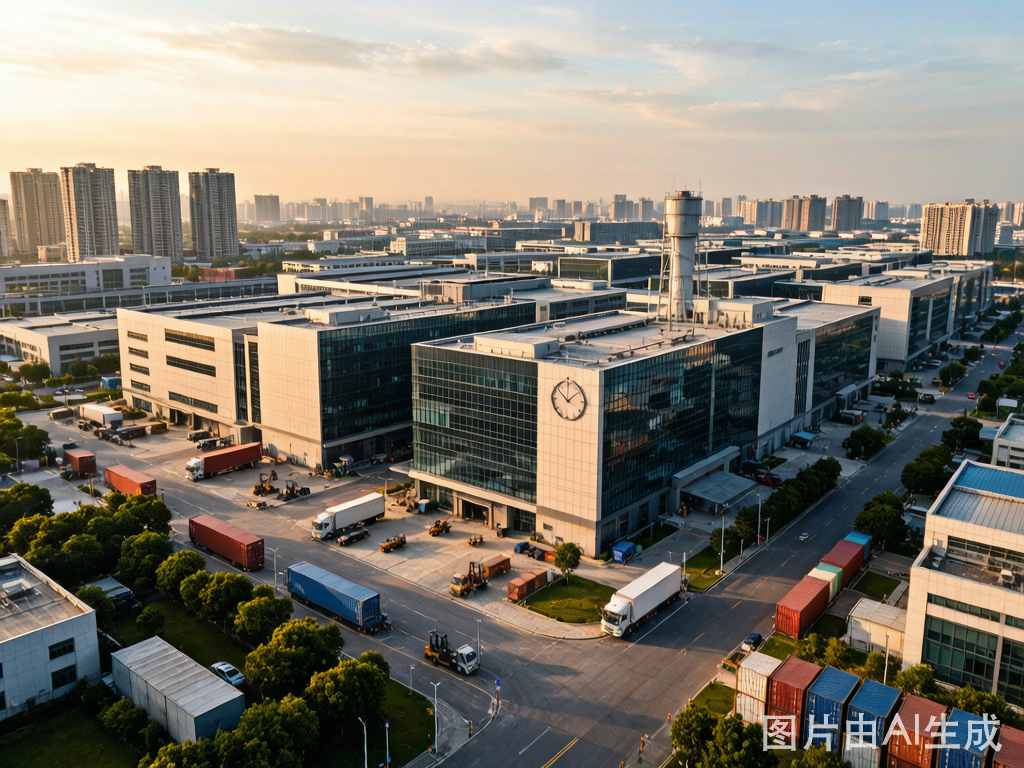
Shenzhen watch manufacturing industrial zone

Step 4: Mass Production and QC

Once samples are approved, mass production for 500-5,000 units typically takes 30-45 days. Always implement a three-stage QC process: incoming component inspection, in-line production inspection, and pre-shipment final inspection (AQL 2.5 standard).

Cost Advantages: Shenzhen vs. Other Manufacturing Regions

The cost savings of manufacturing in Shenzhen are significant, even when comparing similar quality levels:

  • Movement costs: Chinese mechanical movements cost $8-25 vs. $40-120 for Swiss ETA equivalents
  • Case manufacturing: 316L steel case costs $3-8 in Shenzhen vs. $15-35 in Switzerland
  • Assembly labor: Average assembly cost per watch is $1.50-4.00 in Shenzhen vs. $15-40 in Switzerland
  • Overall product cost: A quality mechanical watch that costs $180-350 to produce in Shenzhen would cost $800-2,000+ from Swiss manufacturing

These cost advantages do not mean lower quality — they reflect labor cost differences, supply chain efficiency, and economies of scale that Shenzhen has built over 40 years of industrial development.

The Future of Shenzhen Watch Manufacturing

Shenzhen is not resting on its laurels. The city’s watch industry is actively investing in several forward-looking areas:

  • High-complication watches: Factories are now producing tourbillon and moon phase complications at accessible price points
  • Sustainable manufacturing: Solar-powered factories, recycled steel cases, and eco-friendly packaging are becoming standard
  • Smart hybrid watches: Combining traditional mechanical movements with smart connectivity features
  • AI-assisted design: Using artificial intelligence to optimize case designs for strength, weight, and aesthetics

Conclusion: Leveraging Shenzhen for Your Watch Business

Shenzhen’s watch manufacturing ecosystem represents the most efficient, cost-effective, and technologically advanced production base in the world. Whether you’re a startup launching your first private label watch brand, a wholesaler seeking reliable supply from China, or an established brand looking to optimize production costs, Shenzhen offers the complete package: components, movements, assembly, quality control, and logistics — all within a single city.

At Shantou Xingguang Trading Co., Ltd., we leverage our deep connections with Shenzhen’s manufacturing network to source premium quality watches for our global clients. Our established relationships with top-tier factories allow us to offer competitive pricing, rigorous quality control, and flexible customization — from business dress watches to specialized dive watches and everything in between. Contact us to discover how Shenzhen’s manufacturing power can work for your brand.

Step 3: Prototyping and Sampling

Most Shenzhen factories offer prototyping services at $200-$1,500 per sample, depending on complexity. Expect 7-21 days for the first prototype, with 2-3 revision rounds typical. This is where you should also conduct initial durability testing.

Step 4: Mass Production and QC

Once samples are approved, mass production for 500-5,000 units typically takes 30-45 days. Always implement a three-stage QC process: incoming component inspection, in-line production inspection, and pre-shipment final inspection (AQL 2.5 standard).

Cost Advantages: Shenzhen vs. Other Manufacturing Regions

The cost savings of manufacturing in Shenzhen are significant, even when comparing similar quality levels:

  • Movement costs: Chinese mechanical movements cost $8-25 vs. $40-120 for Swiss ETA equivalents
  • Case manufacturing: 316L steel case costs $3-8 in Shenzhen vs. $15-35 in Switzerland
  • Assembly labor: Average assembly cost per watch is $1.50-4.00 in Shenzhen vs. $15-40 in Switzerland
  • Overall product cost: A quality mechanical watch that costs $180-350 to produce in Shenzhen would cost $800-2,000+ from Swiss manufacturing

These cost advantages do not mean lower quality — they reflect labor cost differences, supply chain efficiency, and economies of scale that Shenzhen has built over 40 years of industrial development.

The Future of Shenzhen Watch Manufacturing

Shenzhen is not resting on its laurels. The city’s watch industry is actively investing in several forward-looking areas:

  • High-complication watches: Factories are now producing tourbillon and moon phase complications at accessible price points
  • Sustainable manufacturing: Solar-powered factories, recycled steel cases, and eco-friendly packaging are becoming standard
  • Smart hybrid watches: Combining traditional mechanical movements with smart connectivity features
  • AI-assisted design: Using artificial intelligence to optimize case designs for strength, weight, and aesthetics

Conclusion: Leveraging Shenzhen for Your Watch Business

Shenzhen’s watch manufacturing ecosystem represents the most efficient, cost-effective, and technologically advanced production base in the world. Whether you’re a startup launching your first private label watch brand, a wholesaler seeking reliable supply from China, or an established brand looking to optimize production costs, Shenzhen offers the complete package: components, movements, assembly, quality control, and logistics — all within a single city.

At Shantou Xingguang Trading Co., Ltd., we leverage our deep connections with Shenzhen’s manufacturing network to source premium quality watches for our global clients. Our established relationships with top-tier factories allow us to offer competitive pricing, rigorous quality control, and flexible customization — from business dress watches to specialized dive watches and everything in between. Contact us to discover how Shenzhen’s manufacturing power can work for your brand.

Step 3: Prototyping and Sampling

Most Shenzhen factories offer prototyping services at $200-$1,500 per sample, depending on complexity. Expect 7-21 days for the first prototype, with 2-3 revision rounds typical. This is where you should also conduct initial durability testing.

Step 4: Mass Production and QC

Once samples are approved, mass production for 500-5,000 units typically takes 30-45 days. Always implement a three-stage QC process: incoming component inspection, in-line production inspection, and pre-shipment final inspection (AQL 2.5 standard).

Cost Advantages: Shenzhen vs. Other Manufacturing Regions

The cost savings of manufacturing in Shenzhen are significant, even when comparing similar quality levels:

  • Movement costs: Chinese mechanical movements cost $8-25 vs. $40-120 for Swiss ETA equivalents
  • Case manufacturing: 316L steel case costs $3-8 in Shenzhen vs. $15-35 in Switzerland
  • Assembly labor: Average assembly cost per watch is $1.50-4.00 in Shenzhen vs. $15-40 in Switzerland
  • Overall product cost: A quality mechanical watch that costs $180-350 to produce in Shenzhen would cost $800-2,000+ from Swiss manufacturing

These cost advantages do not mean lower quality — they reflect labor cost differences, supply chain efficiency, and economies of scale that Shenzhen has built over 40 years of industrial development.

The Future of Shenzhen Watch Manufacturing

Shenzhen is not resting on its laurels. The city’s watch industry is actively investing in several forward-looking areas:

  • High-complication watches: Factories are now producing tourbillon and moon phase complications at accessible price points
  • Sustainable manufacturing: Solar-powered factories, recycled steel cases, and eco-friendly packaging are becoming standard
  • Smart hybrid watches: Combining traditional mechanical movements with smart connectivity features
  • AI-assisted design: Using artificial intelligence to optimize case designs for strength, weight, and aesthetics

Conclusion: Leveraging Shenzhen for Your Watch Business

Shenzhen’s watch manufacturing ecosystem represents the most efficient, cost-effective, and technologically advanced production base in the world. Whether you’re a startup launching your first private label watch brand, a wholesaler seeking reliable supply from China, or an established brand looking to optimize production costs, Shenzhen offers the complete package: components, movements, assembly, quality control, and logistics — all within a single city.

At Shantou Xingguang Trading Co., Ltd., we leverage our deep connections with Shenzhen’s manufacturing network to source premium quality watches for our global clients. Our established relationships with top-tier factories allow us to offer competitive pricing, rigorous quality control, and flexible customization — from business dress watches to specialized dive watches and everything in between. Contact us to discover how Shenzhen’s manufacturing power can work for your brand.

Step 2: Identify and Vet Factories

Use platforms like Alibaba, Global Sources, and Made-in-China to identify candidate factories, but always verify through:

  • Factory audits (on-site or via third-party inspection companies)
  • Sample orders (request 3-5 samples of existing products)
  • Reference checks with existing clients
  • Production capacity verification (check machine count, worker count, monthly output)

Step 3: Prototyping and Sampling

Most Shenzhen factories offer prototyping services at $200-$1,500 per sample, depending on complexity. Expect 7-21 days for the first prototype, with 2-3 revision rounds typical. This is where you should also conduct initial durability testing.

Step 4: Mass Production and QC

Once samples are approved, mass production for 500-5,000 units typically takes 30-45 days. Always implement a three-stage QC process: incoming component inspection, in-line production inspection, and pre-shipment final inspection (AQL 2.5 standard).

Cost Advantages: Shenzhen vs. Other Manufacturing Regions

The cost savings of manufacturing in Shenzhen are significant, even when comparing similar quality levels:

  • Movement costs: Chinese mechanical movements cost $8-25 vs. $40-120 for Swiss ETA equivalents
  • Case manufacturing: 316L steel case costs $3-8 in Shenzhen vs. $15-35 in Switzerland
  • Assembly labor: Average assembly cost per watch is $1.50-4.00 in Shenzhen vs. $15-40 in Switzerland
  • Overall product cost: A quality mechanical watch that costs $180-350 to produce in Shenzhen would cost $800-2,000+ from Swiss manufacturing

These cost advantages do not mean lower quality — they reflect labor cost differences, supply chain efficiency, and economies of scale that Shenzhen has built over 40 years of industrial development.

The Future of Shenzhen Watch Manufacturing

Shenzhen is not resting on its laurels. The city’s watch industry is actively investing in several forward-looking areas:

  • High-complication watches: Factories are now producing tourbillon and moon phase complications at accessible price points
  • Sustainable manufacturing: Solar-powered factories, recycled steel cases, and eco-friendly packaging are becoming standard
  • Smart hybrid watches: Combining traditional mechanical movements with smart connectivity features
  • AI-assisted design: Using artificial intelligence to optimize case designs for strength, weight, and aesthetics

Conclusion: Leveraging Shenzhen for Your Watch Business

Shenzhen’s watch manufacturing ecosystem represents the most efficient, cost-effective, and technologically advanced production base in the world. Whether you’re a startup launching your first private label watch brand, a wholesaler seeking reliable supply from China, or an established brand looking to optimize production costs, Shenzhen offers the complete package: components, movements, assembly, quality control, and logistics — all within a single city.

At Shantou Xingguang Trading Co., Ltd., we leverage our deep connections with Shenzhen’s manufacturing network to source premium quality watches for our global clients. Our established relationships with top-tier factories allow us to offer competitive pricing, rigorous quality control, and flexible customization — from business dress watches to specialized dive watches and everything in between. Contact us to discover how Shenzhen’s manufacturing power can work for your brand.

Step 2: Identify and Vet Factories

Use platforms like Alibaba, Global Sources, and Made-in-China to identify candidate factories, but always verify through:

  • Factory audits (on-site or via third-party inspection companies)
  • Sample orders (request 3-5 samples of existing products)
  • Reference checks with existing clients
  • Production capacity verification (check machine count, worker count, monthly output)

Step 3: Prototyping and Sampling

Most Shenzhen factories offer prototyping services at $200-$1,500 per sample, depending on complexity. Expect 7-21 days for the first prototype, with 2-3 revision rounds typical. This is where you should also conduct initial durability testing.

Step 4: Mass Production and QC

Once samples are approved, mass production for 500-5,000 units typically takes 30-45 days. Always implement a three-stage QC process: incoming component inspection, in-line production inspection, and pre-shipment final inspection (AQL 2.5 standard).

Cost Advantages: Shenzhen vs. Other Manufacturing Regions

The cost savings of manufacturing in Shenzhen are significant, even when comparing similar quality levels:

  • Movement costs: Chinese mechanical movements cost $8-25 vs. $40-120 for Swiss ETA equivalents
  • Case manufacturing: 316L steel case costs $3-8 in Shenzhen vs. $15-35 in Switzerland
  • Assembly labor: Average assembly cost per watch is $1.50-4.00 in Shenzhen vs. $15-40 in Switzerland
  • Overall product cost: A quality mechanical watch that costs $180-350 to produce in Shenzhen would cost $800-2,000+ from Swiss manufacturing

These cost advantages do not mean lower quality — they reflect labor cost differences, supply chain efficiency, and economies of scale that Shenzhen has built over 40 years of industrial development.

The Future of Shenzhen Watch Manufacturing

Shenzhen is not resting on its laurels. The city’s watch industry is actively investing in several forward-looking areas:

  • High-complication watches: Factories are now producing tourbillon and moon phase complications at accessible price points
  • Sustainable manufacturing: Solar-powered factories, recycled steel cases, and eco-friendly packaging are becoming standard
  • Smart hybrid watches: Combining traditional mechanical movements with smart connectivity features
  • AI-assisted design: Using artificial intelligence to optimize case designs for strength, weight, and aesthetics

Conclusion: Leveraging Shenzhen for Your Watch Business

Shenzhen’s watch manufacturing ecosystem represents the most efficient, cost-effective, and technologically advanced production base in the world. Whether you’re a startup launching your first private label watch brand, a wholesaler seeking reliable supply from China, or an established brand looking to optimize production costs, Shenzhen offers the complete package: components, movements, assembly, quality control, and logistics — all within a single city.

At Shantou Xingguang Trading Co., Ltd., we leverage our deep connections with Shenzhen’s manufacturing network to source premium quality watches for our global clients. Our established relationships with top-tier factories allow us to offer competitive pricing, rigorous quality control, and flexible customization — from business dress watches to specialized dive watches and everything in between. Contact us to discover how Shenzhen’s manufacturing power can work for your brand.

Step 1: Define Your Product Specifications

Before approaching any factory, prepare a detailed product specification sheet including case material, size, movement type, dial design, strap type, water resistance, and packaging requirements. The more specific you are, the more accurate the factory’s quotation will be.

Step 2: Identify and Vet Factories

Use platforms like Alibaba, Global Sources, and Made-in-China to identify candidate factories, but always verify through:

  • Factory audits (on-site or via third-party inspection companies)
  • Sample orders (request 3-5 samples of existing products)
  • Reference checks with existing clients
  • Production capacity verification (check machine count, worker count, monthly output)

Step 3: Prototyping and Sampling

Most Shenzhen factories offer prototyping services at $200-$1,500 per sample, depending on complexity. Expect 7-21 days for the first prototype, with 2-3 revision rounds typical. This is where you should also conduct initial durability testing.

Step 4: Mass Production and QC

Once samples are approved, mass production for 500-5,000 units typically takes 30-45 days. Always implement a three-stage QC process: incoming component inspection, in-line production inspection, and pre-shipment final inspection (AQL 2.5 standard).

Cost Advantages: Shenzhen vs. Other Manufacturing Regions

The cost savings of manufacturing in Shenzhen are significant, even when comparing similar quality levels:

  • Movement costs: Chinese mechanical movements cost $8-25 vs. $40-120 for Swiss ETA equivalents
  • Case manufacturing: 316L steel case costs $3-8 in Shenzhen vs. $15-35 in Switzerland
  • Assembly labor: Average assembly cost per watch is $1.50-4.00 in Shenzhen vs. $15-40 in Switzerland
  • Overall product cost: A quality mechanical watch that costs $180-350 to produce in Shenzhen would cost $800-2,000+ from Swiss manufacturing

These cost advantages do not mean lower quality — they reflect labor cost differences, supply chain efficiency, and economies of scale that Shenzhen has built over 40 years of industrial development.

The Future of Shenzhen Watch Manufacturing

Shenzhen is not resting on its laurels. The city’s watch industry is actively investing in several forward-looking areas:

  • High-complication watches: Factories are now producing tourbillon and moon phase complications at accessible price points
  • Sustainable manufacturing: Solar-powered factories, recycled steel cases, and eco-friendly packaging are becoming standard
  • Smart hybrid watches: Combining traditional mechanical movements with smart connectivity features
  • AI-assisted design: Using artificial intelligence to optimize case designs for strength, weight, and aesthetics

Conclusion: Leveraging Shenzhen for Your Watch Business

Shenzhen’s watch manufacturing ecosystem represents the most efficient, cost-effective, and technologically advanced production base in the world. Whether you’re a startup launching your first private label watch brand, a wholesaler seeking reliable supply from China, or an established brand looking to optimize production costs, Shenzhen offers the complete package: components, movements, assembly, quality control, and logistics — all within a single city.

At Shantou Xingguang Trading Co., Ltd., we leverage our deep connections with Shenzhen’s manufacturing network to source premium quality watches for our global clients. Our established relationships with top-tier factories allow us to offer competitive pricing, rigorous quality control, and flexible customization — from business dress watches to specialized dive watches and everything in between. Contact us to discover how Shenzhen’s manufacturing power can work for your brand.

Step 1: Define Your Product Specifications

Before approaching any factory, prepare a detailed product specification sheet including case material, size, movement type, dial design, strap type, water resistance, and packaging requirements. The more specific you are, the more accurate the factory’s quotation will be.

Step 2: Identify and Vet Factories

Use platforms like Alibaba, Global Sources, and Made-in-China to identify candidate factories, but always verify through:

  • Factory audits (on-site or via third-party inspection companies)
  • Sample orders (request 3-5 samples of existing products)
  • Reference checks with existing clients
  • Production capacity verification (check machine count, worker count, monthly output)

Step 3: Prototyping and Sampling

Most Shenzhen factories offer prototyping services at $200-$1,500 per sample, depending on complexity. Expect 7-21 days for the first prototype, with 2-3 revision rounds typical. This is where you should also conduct initial durability testing.

Step 4: Mass Production and QC

Once samples are approved, mass production for 500-5,000 units typically takes 30-45 days. Always implement a three-stage QC process: incoming component inspection, in-line production inspection, and pre-shipment final inspection (AQL 2.5 standard).

Cost Advantages: Shenzhen vs. Other Manufacturing Regions

The cost savings of manufacturing in Shenzhen are significant, even when comparing similar quality levels:

  • Movement costs: Chinese mechanical movements cost $8-25 vs. $40-120 for Swiss ETA equivalents
  • Case manufacturing: 316L steel case costs $3-8 in Shenzhen vs. $15-35 in Switzerland
  • Assembly labor: Average assembly cost per watch is $1.50-4.00 in Shenzhen vs. $15-40 in Switzerland
  • Overall product cost: A quality mechanical watch that costs $180-350 to produce in Shenzhen would cost $800-2,000+ from Swiss manufacturing

These cost advantages do not mean lower quality — they reflect labor cost differences, supply chain efficiency, and economies of scale that Shenzhen has built over 40 years of industrial development.

The Future of Shenzhen Watch Manufacturing

Shenzhen is not resting on its laurels. The city’s watch industry is actively investing in several forward-looking areas:

  • High-complication watches: Factories are now producing tourbillon and moon phase complications at accessible price points
  • Sustainable manufacturing: Solar-powered factories, recycled steel cases, and eco-friendly packaging are becoming standard
  • Smart hybrid watches: Combining traditional mechanical movements with smart connectivity features
  • AI-assisted design: Using artificial intelligence to optimize case designs for strength, weight, and aesthetics

Conclusion: Leveraging Shenzhen for Your Watch Business

Shenzhen’s watch manufacturing ecosystem represents the most efficient, cost-effective, and technologically advanced production base in the world. Whether you’re a startup launching your first private label watch brand, a wholesaler seeking reliable supply from China, or an established brand looking to optimize production costs, Shenzhen offers the complete package: components, movements, assembly, quality control, and logistics — all within a single city.

At Shantou Xingguang Trading Co., Ltd., we leverage our deep connections with Shenzhen’s manufacturing network to source premium quality watches for our global clients. Our established relationships with top-tier factories allow us to offer competitive pricing, rigorous quality control, and flexible customization — from business dress watches to specialized dive watches and everything in between. Contact us to discover how Shenzhen’s manufacturing power can work for your brand.

Service Providers

The top tier includes specialized service providers that support the entire ecosystem:

  • QC inspection companies — Third-party quality control firms specializing in watch testing (water resistance, accuracy, durability)
  • Design studios — Industrial design firms that create watch concepts for brands without in-house design teams
  • Packaging manufacturers — Producing watch boxes, pouches, and retail display units
  • Logistics integrators — Companies that coordinate multi-supplier consolidation, customs clearance, and international shipping

Quality Standards and Certifications in Shenzhen Manufacturing

A common misconception is that Chinese-made watches are inherently lower quality. In reality, Shenzhen’s top-tier factories adhere to rigorous international standards:

  • ISO 9001:2015 — Quality management systems certified by international auditors
  • ISO 6425 — Diver’s watch water resistance standard, tested in-house and verified by third parties
  • RoHS and REACH compliance — Meeting European Union environmental and chemical safety standards
  • COSC-equivalent testing — Movement accuracy testing to chronometer standards (-4/+6 seconds per day)
  • 3ATM to 20ATM water testing — Pressure testing for all water resistance ratings

How to Source Watches from Shenzhen: A Practical Framework

For businesses looking to tap into Shenzhen’s manufacturing power, here is a practical sourcing framework:

Step 1: Define Your Product Specifications

Before approaching any factory, prepare a detailed product specification sheet including case material, size, movement type, dial design, strap type, water resistance, and packaging requirements. The more specific you are, the more accurate the factory’s quotation will be.

Step 2: Identify and Vet Factories

Use platforms like Alibaba, Global Sources, and Made-in-China to identify candidate factories, but always verify through:

  • Factory audits (on-site or via third-party inspection companies)
  • Sample orders (request 3-5 samples of existing products)
  • Reference checks with existing clients
  • Production capacity verification (check machine count, worker count, monthly output)

Step 3: Prototyping and Sampling

Most Shenzhen factories offer prototyping services at $200-$1,500 per sample, depending on complexity. Expect 7-21 days for the first prototype, with 2-3 revision rounds typical. This is where you should also conduct initial durability testing.

Step 4: Mass Production and QC

Once samples are approved, mass production for 500-5,000 units typically takes 30-45 days. Always implement a three-stage QC process: incoming component inspection, in-line production inspection, and pre-shipment final inspection (AQL 2.5 standard).

Cost Advantages: Shenzhen vs. Other Manufacturing Regions

The cost savings of manufacturing in Shenzhen are significant, even when comparing similar quality levels:

  • Movement costs: Chinese mechanical movements cost $8-25 vs. $40-120 for Swiss ETA equivalents
  • Case manufacturing: 316L steel case costs $3-8 in Shenzhen vs. $15-35 in Switzerland
  • Assembly labor: Average assembly cost per watch is $1.50-4.00 in Shenzhen vs. $15-40 in Switzerland
  • Overall product cost: A quality mechanical watch that costs $180-350 to produce in Shenzhen would cost $800-2,000+ from Swiss manufacturing

These cost advantages do not mean lower quality — they reflect labor cost differences, supply chain efficiency, and economies of scale that Shenzhen has built over 40 years of industrial development.

The Future of Shenzhen Watch Manufacturing

Shenzhen is not resting on its laurels. The city’s watch industry is actively investing in several forward-looking areas:

  • High-complication watches: Factories are now producing tourbillon and moon phase complications at accessible price points
  • Sustainable manufacturing: Solar-powered factories, recycled steel cases, and eco-friendly packaging are becoming standard
  • Smart hybrid watches: Combining traditional mechanical movements with smart connectivity features
  • AI-assisted design: Using artificial intelligence to optimize case designs for strength, weight, and aesthetics

Conclusion: Leveraging Shenzhen for Your Watch Business

Shenzhen’s watch manufacturing ecosystem represents the most efficient, cost-effective, and technologically advanced production base in the world. Whether you’re a startup launching your first private label watch brand, a wholesaler seeking reliable supply from China, or an established brand looking to optimize production costs, Shenzhen offers the complete package: components, movements, assembly, quality control, and logistics — all within a single city.

At Shantou Xingguang Trading Co., Ltd., we leverage our deep connections with Shenzhen’s manufacturing network to source premium quality watches for our global clients. Our established relationships with top-tier factories allow us to offer competitive pricing, rigorous quality control, and flexible customization — from business dress watches to specialized dive watches and everything in between. Contact us to discover how Shenzhen’s manufacturing power can work for your brand.

Service Providers

The top tier includes specialized service providers that support the entire ecosystem:

  • QC inspection companies — Third-party quality control firms specializing in watch testing (water resistance, accuracy, durability)
  • Design studios — Industrial design firms that create watch concepts for brands without in-house design teams
  • Packaging manufacturers — Producing watch boxes, pouches, and retail display units
  • Logistics integrators — Companies that coordinate multi-supplier consolidation, customs clearance, and international shipping

Quality Standards and Certifications in Shenzhen Manufacturing

A common misconception is that Chinese-made watches are inherently lower quality. In reality, Shenzhen’s top-tier factories adhere to rigorous international standards:

  • ISO 9001:2015 — Quality management systems certified by international auditors
  • ISO 6425 — Diver’s watch water resistance standard, tested in-house and verified by third parties
  • RoHS and REACH compliance — Meeting European Union environmental and chemical safety standards
  • COSC-equivalent testing — Movement accuracy testing to chronometer standards (-4/+6 seconds per day)
  • 3ATM to 20ATM water testing — Pressure testing for all water resistance ratings

How to Source Watches from Shenzhen: A Practical Framework

For businesses looking to tap into Shenzhen’s manufacturing power, here is a practical sourcing framework:

Step 1: Define Your Product Specifications

Before approaching any factory, prepare a detailed product specification sheet including case material, size, movement type, dial design, strap type, water resistance, and packaging requirements. The more specific you are, the more accurate the factory’s quotation will be.

Step 2: Identify and Vet Factories

Use platforms like Alibaba, Global Sources, and Made-in-China to identify candidate factories, but always verify through:

  • Factory audits (on-site or via third-party inspection companies)
  • Sample orders (request 3-5 samples of existing products)
  • Reference checks with existing clients
  • Production capacity verification (check machine count, worker count, monthly output)

Step 3: Prototyping and Sampling

Most Shenzhen factories offer prototyping services at $200-$1,500 per sample, depending on complexity. Expect 7-21 days for the first prototype, with 2-3 revision rounds typical. This is where you should also conduct initial durability testing.

Step 4: Mass Production and QC

Once samples are approved, mass production for 500-5,000 units typically takes 30-45 days. Always implement a three-stage QC process: incoming component inspection, in-line production inspection, and pre-shipment final inspection (AQL 2.5 standard).

Cost Advantages: Shenzhen vs. Other Manufacturing Regions

The cost savings of manufacturing in Shenzhen are significant, even when comparing similar quality levels:

  • Movement costs: Chinese mechanical movements cost $8-25 vs. $40-120 for Swiss ETA equivalents
  • Case manufacturing: 316L steel case costs $3-8 in Shenzhen vs. $15-35 in Switzerland
  • Assembly labor: Average assembly cost per watch is $1.50-4.00 in Shenzhen vs. $15-40 in Switzerland
  • Overall product cost: A quality mechanical watch that costs $180-350 to produce in Shenzhen would cost $800-2,000+ from Swiss manufacturing

These cost advantages do not mean lower quality — they reflect labor cost differences, supply chain efficiency, and economies of scale that Shenzhen has built over 40 years of industrial development.

The Future of Shenzhen Watch Manufacturing

Shenzhen is not resting on its laurels. The city’s watch industry is actively investing in several forward-looking areas:

  • High-complication watches: Factories are now producing tourbillon and moon phase complications at accessible price points
  • Sustainable manufacturing: Solar-powered factories, recycled steel cases, and eco-friendly packaging are becoming standard
  • Smart hybrid watches: Combining traditional mechanical movements with smart connectivity features
  • AI-assisted design: Using artificial intelligence to optimize case designs for strength, weight, and aesthetics

Conclusion: Leveraging Shenzhen for Your Watch Business

Shenzhen’s watch manufacturing ecosystem represents the most efficient, cost-effective, and technologically advanced production base in the world. Whether you’re a startup launching your first private label watch brand, a wholesaler seeking reliable supply from China, or an established brand looking to optimize production costs, Shenzhen offers the complete package: components, movements, assembly, quality control, and logistics — all within a single city.

At Shantou Xingguang Trading Co., Ltd., we leverage our deep connections with Shenzhen’s manufacturing network to source premium quality watches for our global clients. Our established relationships with top-tier factories allow us to offer competitive pricing, rigorous quality control, and flexible customization — from business dress watches to specialized dive watches and everything in between. Contact us to discover how Shenzhen’s manufacturing power can work for your brand.

Assembly Factories

The middle tier consists of assembly factories that bring all components together. These factories range from small workshops (50-100 workers) producing 5,000-10,000 watches per month to large-scale facilities (500+ workers) capable of 100,000+ units monthly. Most offer flexible production lines that can handle both quartz and mechanical assembly.

Service Providers

The top tier includes specialized service providers that support the entire ecosystem:

  • QC inspection companies — Third-party quality control firms specializing in watch testing (water resistance, accuracy, durability)
  • Design studios — Industrial design firms that create watch concepts for brands without in-house design teams
  • Packaging manufacturers — Producing watch boxes, pouches, and retail display units
  • Logistics integrators — Companies that coordinate multi-supplier consolidation, customs clearance, and international shipping

Quality Standards and Certifications in Shenzhen Manufacturing

A common misconception is that Chinese-made watches are inherently lower quality. In reality, Shenzhen’s top-tier factories adhere to rigorous international standards:

  • ISO 9001:2015 — Quality management systems certified by international auditors
  • ISO 6425 — Diver’s watch water resistance standard, tested in-house and verified by third parties
  • RoHS and REACH compliance — Meeting European Union environmental and chemical safety standards
  • COSC-equivalent testing — Movement accuracy testing to chronometer standards (-4/+6 seconds per day)
  • 3ATM to 20ATM water testing — Pressure testing for all water resistance ratings

How to Source Watches from Shenzhen: A Practical Framework

For businesses looking to tap into Shenzhen’s manufacturing power, here is a practical sourcing framework:

Step 1: Define Your Product Specifications

Before approaching any factory, prepare a detailed product specification sheet including case material, size, movement type, dial design, strap type, water resistance, and packaging requirements. The more specific you are, the more accurate the factory’s quotation will be.

Step 2: Identify and Vet Factories

Use platforms like Alibaba, Global Sources, and Made-in-China to identify candidate factories, but always verify through:

  • Factory audits (on-site or via third-party inspection companies)
  • Sample orders (request 3-5 samples of existing products)
  • Reference checks with existing clients
  • Production capacity verification (check machine count, worker count, monthly output)

Step 3: Prototyping and Sampling

Most Shenzhen factories offer prototyping services at $200-$1,500 per sample, depending on complexity. Expect 7-21 days for the first prototype, with 2-3 revision rounds typical. This is where you should also conduct initial durability testing.

Step 4: Mass Production and QC

Once samples are approved, mass production for 500-5,000 units typically takes 30-45 days. Always implement a three-stage QC process: incoming component inspection, in-line production inspection, and pre-shipment final inspection (AQL 2.5 standard).

Cost Advantages: Shenzhen vs. Other Manufacturing Regions

The cost savings of manufacturing in Shenzhen are significant, even when comparing similar quality levels:

  • Movement costs: Chinese mechanical movements cost $8-25 vs. $40-120 for Swiss ETA equivalents
  • Case manufacturing: 316L steel case costs $3-8 in Shenzhen vs. $15-35 in Switzerland
  • Assembly labor: Average assembly cost per watch is $1.50-4.00 in Shenzhen vs. $15-40 in Switzerland
  • Overall product cost: A quality mechanical watch that costs $180-350 to produce in Shenzhen would cost $800-2,000+ from Swiss manufacturing

These cost advantages do not mean lower quality — they reflect labor cost differences, supply chain efficiency, and economies of scale that Shenzhen has built over 40 years of industrial development.

The Future of Shenzhen Watch Manufacturing

Shenzhen is not resting on its laurels. The city’s watch industry is actively investing in several forward-looking areas:

  • High-complication watches: Factories are now producing tourbillon and moon phase complications at accessible price points
  • Sustainable manufacturing: Solar-powered factories, recycled steel cases, and eco-friendly packaging are becoming standard
  • Smart hybrid watches: Combining traditional mechanical movements with smart connectivity features
  • AI-assisted design: Using artificial intelligence to optimize case designs for strength, weight, and aesthetics

Conclusion: Leveraging Shenzhen for Your Watch Business

Shenzhen’s watch manufacturing ecosystem represents the most efficient, cost-effective, and technologically advanced production base in the world. Whether you’re a startup launching your first private label watch brand, a wholesaler seeking reliable supply from China, or an established brand looking to optimize production costs, Shenzhen offers the complete package: components, movements, assembly, quality control, and logistics — all within a single city.

At Shantou Xingguang Trading Co., Ltd., we leverage our deep connections with Shenzhen’s manufacturing network to source premium quality watches for our global clients. Our established relationships with top-tier factories allow us to offer competitive pricing, rigorous quality control, and flexible customization — from business dress watches to specialized dive watches and everything in between. Contact us to discover how Shenzhen’s manufacturing power can work for your brand.

Assembly Factories

The middle tier consists of assembly factories that bring all components together. These factories range from small workshops (50-100 workers) producing 5,000-10,000 watches per month to large-scale facilities (500+ workers) capable of 100,000+ units monthly. Most offer flexible production lines that can handle both quartz and mechanical assembly.

Service Providers

The top tier includes specialized service providers that support the entire ecosystem:

  • QC inspection companies — Third-party quality control firms specializing in watch testing (water resistance, accuracy, durability)
  • Design studios — Industrial design firms that create watch concepts for brands without in-house design teams
  • Packaging manufacturers — Producing watch boxes, pouches, and retail display units
  • Logistics integrators — Companies that coordinate multi-supplier consolidation, customs clearance, and international shipping

Quality Standards and Certifications in Shenzhen Manufacturing

A common misconception is that Chinese-made watches are inherently lower quality. In reality, Shenzhen’s top-tier factories adhere to rigorous international standards:

  • ISO 9001:2015 — Quality management systems certified by international auditors
  • ISO 6425 — Diver’s watch water resistance standard, tested in-house and verified by third parties
  • RoHS and REACH compliance — Meeting European Union environmental and chemical safety standards
  • COSC-equivalent testing — Movement accuracy testing to chronometer standards (-4/+6 seconds per day)
  • 3ATM to 20ATM water testing — Pressure testing for all water resistance ratings

How to Source Watches from Shenzhen: A Practical Framework

For businesses looking to tap into Shenzhen’s manufacturing power, here is a practical sourcing framework:

Step 1: Define Your Product Specifications

Before approaching any factory, prepare a detailed product specification sheet including case material, size, movement type, dial design, strap type, water resistance, and packaging requirements. The more specific you are, the more accurate the factory’s quotation will be.

Step 2: Identify and Vet Factories

Use platforms like Alibaba, Global Sources, and Made-in-China to identify candidate factories, but always verify through:

  • Factory audits (on-site or via third-party inspection companies)
  • Sample orders (request 3-5 samples of existing products)
  • Reference checks with existing clients
  • Production capacity verification (check machine count, worker count, monthly output)

Step 3: Prototyping and Sampling

Most Shenzhen factories offer prototyping services at $200-$1,500 per sample, depending on complexity. Expect 7-21 days for the first prototype, with 2-3 revision rounds typical. This is where you should also conduct initial durability testing.

Step 4: Mass Production and QC

Once samples are approved, mass production for 500-5,000 units typically takes 30-45 days. Always implement a three-stage QC process: incoming component inspection, in-line production inspection, and pre-shipment final inspection (AQL 2.5 standard).

Cost Advantages: Shenzhen vs. Other Manufacturing Regions

The cost savings of manufacturing in Shenzhen are significant, even when comparing similar quality levels:

  • Movement costs: Chinese mechanical movements cost $8-25 vs. $40-120 for Swiss ETA equivalents
  • Case manufacturing: 316L steel case costs $3-8 in Shenzhen vs. $15-35 in Switzerland
  • Assembly labor: Average assembly cost per watch is $1.50-4.00 in Shenzhen vs. $15-40 in Switzerland
  • Overall product cost: A quality mechanical watch that costs $180-350 to produce in Shenzhen would cost $800-2,000+ from Swiss manufacturing

These cost advantages do not mean lower quality — they reflect labor cost differences, supply chain efficiency, and economies of scale that Shenzhen has built over 40 years of industrial development.

The Future of Shenzhen Watch Manufacturing

Shenzhen is not resting on its laurels. The city’s watch industry is actively investing in several forward-looking areas:

  • High-complication watches: Factories are now producing tourbillon and moon phase complications at accessible price points
  • Sustainable manufacturing: Solar-powered factories, recycled steel cases, and eco-friendly packaging are becoming standard
  • Smart hybrid watches: Combining traditional mechanical movements with smart connectivity features
  • AI-assisted design: Using artificial intelligence to optimize case designs for strength, weight, and aesthetics

Conclusion: Leveraging Shenzhen for Your Watch Business

Shenzhen’s watch manufacturing ecosystem represents the most efficient, cost-effective, and technologically advanced production base in the world. Whether you’re a startup launching your first private label watch brand, a wholesaler seeking reliable supply from China, or an established brand looking to optimize production costs, Shenzhen offers the complete package: components, movements, assembly, quality control, and logistics — all within a single city.

At Shantou Xingguang Trading Co., Ltd., we leverage our deep connections with Shenzhen’s manufacturing network to source premium quality watches for our global clients. Our established relationships with top-tier factories allow us to offer competitive pricing, rigorous quality control, and flexible customization — from business dress watches to specialized dive watches and everything in between. Contact us to discover how Shenzhen’s manufacturing power can work for your brand.

Component Manufacturers

At the base of the pyramid are hundreds of specialized component manufacturers, each focusing on a single watch part:

  • Case manufacturers — Producing stainless steel (316L, 904L), titanium, ceramic, and bronze cases from 28mm to 50mm
  • Dial makers — Offering sunburst, guilloché, enamel, mother-of-pearl, and GMT dual-time dial configurations
  • Crystal suppliers — Sapphire crystal (flat, domed, anti-reflective coated) and mineral glass
  • Hand manufacturers — Producing Mercedes, sword, baton, arrow, and custom-shaped hands in any lume color
  • Bezel makers — Including dive watch unidirectional rotating bezels and chronograph tachymeter bezels

Assembly Factories

The middle tier consists of assembly factories that bring all components together. These factories range from small workshops (50-100 workers) producing 5,000-10,000 watches per month to large-scale facilities (500+ workers) capable of 100,000+ units monthly. Most offer flexible production lines that can handle both quartz and mechanical assembly.

Service Providers

The top tier includes specialized service providers that support the entire ecosystem:

  • QC inspection companies — Third-party quality control firms specializing in watch testing (water resistance, accuracy, durability)
  • Design studios — Industrial design firms that create watch concepts for brands without in-house design teams
  • Packaging manufacturers — Producing watch boxes, pouches, and retail display units
  • Logistics integrators — Companies that coordinate multi-supplier consolidation, customs clearance, and international shipping

Quality Standards and Certifications in Shenzhen Manufacturing

A common misconception is that Chinese-made watches are inherently lower quality. In reality, Shenzhen’s top-tier factories adhere to rigorous international standards:

  • ISO 9001:2015 — Quality management systems certified by international auditors
  • ISO 6425 — Diver’s watch water resistance standard, tested in-house and verified by third parties
  • RoHS and REACH compliance — Meeting European Union environmental and chemical safety standards
  • COSC-equivalent testing — Movement accuracy testing to chronometer standards (-4/+6 seconds per day)
  • 3ATM to 20ATM water testing — Pressure testing for all water resistance ratings

How to Source Watches from Shenzhen: A Practical Framework

For businesses looking to tap into Shenzhen’s manufacturing power, here is a practical sourcing framework:

Step 1: Define Your Product Specifications

Before approaching any factory, prepare a detailed product specification sheet including case material, size, movement type, dial design, strap type, water resistance, and packaging requirements. The more specific you are, the more accurate the factory’s quotation will be.

Step 2: Identify and Vet Factories

Use platforms like Alibaba, Global Sources, and Made-in-China to identify candidate factories, but always verify through:

  • Factory audits (on-site or via third-party inspection companies)
  • Sample orders (request 3-5 samples of existing products)
  • Reference checks with existing clients
  • Production capacity verification (check machine count, worker count, monthly output)

Step 3: Prototyping and Sampling

Most Shenzhen factories offer prototyping services at $200-$1,500 per sample, depending on complexity. Expect 7-21 days for the first prototype, with 2-3 revision rounds typical. This is where you should also conduct initial durability testing.

Step 4: Mass Production and QC

Once samples are approved, mass production for 500-5,000 units typically takes 30-45 days. Always implement a three-stage QC process: incoming component inspection, in-line production inspection, and pre-shipment final inspection (AQL 2.5 standard).

Cost Advantages: Shenzhen vs. Other Manufacturing Regions

The cost savings of manufacturing in Shenzhen are significant, even when comparing similar quality levels:

  • Movement costs: Chinese mechanical movements cost $8-25 vs. $40-120 for Swiss ETA equivalents
  • Case manufacturing: 316L steel case costs $3-8 in Shenzhen vs. $15-35 in Switzerland
  • Assembly labor: Average assembly cost per watch is $1.50-4.00 in Shenzhen vs. $15-40 in Switzerland
  • Overall product cost: A quality mechanical watch that costs $180-350 to produce in Shenzhen would cost $800-2,000+ from Swiss manufacturing

These cost advantages do not mean lower quality — they reflect labor cost differences, supply chain efficiency, and economies of scale that Shenzhen has built over 40 years of industrial development.

The Future of Shenzhen Watch Manufacturing

Shenzhen is not resting on its laurels. The city’s watch industry is actively investing in several forward-looking areas:

  • High-complication watches: Factories are now producing tourbillon and moon phase complications at accessible price points
  • Sustainable manufacturing: Solar-powered factories, recycled steel cases, and eco-friendly packaging are becoming standard
  • Smart hybrid watches: Combining traditional mechanical movements with smart connectivity features
  • AI-assisted design: Using artificial intelligence to optimize case designs for strength, weight, and aesthetics

Conclusion: Leveraging Shenzhen for Your Watch Business

Shenzhen’s watch manufacturing ecosystem represents the most efficient, cost-effective, and technologically advanced production base in the world. Whether you’re a startup launching your first private label watch brand, a wholesaler seeking reliable supply from China, or an established brand looking to optimize production costs, Shenzhen offers the complete package: components, movements, assembly, quality control, and logistics — all within a single city.

At Shantou Xingguang Trading Co., Ltd., we leverage our deep connections with Shenzhen’s manufacturing network to source premium quality watches for our global clients. Our established relationships with top-tier factories allow us to offer competitive pricing, rigorous quality control, and flexible customization — from business dress watches to specialized dive watches and everything in between. Contact us to discover how Shenzhen’s manufacturing power can work for your brand.

Component Manufacturers

At the base of the pyramid are hundreds of specialized component manufacturers, each focusing on a single watch part:

  • Case manufacturers — Producing stainless steel (316L, 904L), titanium, ceramic, and bronze cases from 28mm to 50mm
  • Dial makers — Offering sunburst, guilloché, enamel, mother-of-pearl, and GMT dual-time dial configurations
  • Crystal suppliers — Sapphire crystal (flat, domed, anti-reflective coated) and mineral glass
  • Hand manufacturers — Producing Mercedes, sword, baton, arrow, and custom-shaped hands in any lume color
  • Bezel makers — Including dive watch unidirectional rotating bezels and chronograph tachymeter bezels

Assembly Factories

The middle tier consists of assembly factories that bring all components together. These factories range from small workshops (50-100 workers) producing 5,000-10,000 watches per month to large-scale facilities (500+ workers) capable of 100,000+ units monthly. Most offer flexible production lines that can handle both quartz and mechanical assembly.

Service Providers

The top tier includes specialized service providers that support the entire ecosystem:

  • QC inspection companies — Third-party quality control firms specializing in watch testing (water resistance, accuracy, durability)
  • Design studios — Industrial design firms that create watch concepts for brands without in-house design teams
  • Packaging manufacturers — Producing watch boxes, pouches, and retail display units
  • Logistics integrators — Companies that coordinate multi-supplier consolidation, customs clearance, and international shipping

Quality Standards and Certifications in Shenzhen Manufacturing

A common misconception is that Chinese-made watches are inherently lower quality. In reality, Shenzhen’s top-tier factories adhere to rigorous international standards:

  • ISO 9001:2015 — Quality management systems certified by international auditors
  • ISO 6425 — Diver’s watch water resistance standard, tested in-house and verified by third parties
  • RoHS and REACH compliance — Meeting European Union environmental and chemical safety standards
  • COSC-equivalent testing — Movement accuracy testing to chronometer standards (-4/+6 seconds per day)
  • 3ATM to 20ATM water testing — Pressure testing for all water resistance ratings

How to Source Watches from Shenzhen: A Practical Framework

For businesses looking to tap into Shenzhen’s manufacturing power, here is a practical sourcing framework:

Step 1: Define Your Product Specifications

Before approaching any factory, prepare a detailed product specification sheet including case material, size, movement type, dial design, strap type, water resistance, and packaging requirements. The more specific you are, the more accurate the factory’s quotation will be.

Step 2: Identify and Vet Factories

Use platforms like Alibaba, Global Sources, and Made-in-China to identify candidate factories, but always verify through:

  • Factory audits (on-site or via third-party inspection companies)
  • Sample orders (request 3-5 samples of existing products)
  • Reference checks with existing clients
  • Production capacity verification (check machine count, worker count, monthly output)

Step 3: Prototyping and Sampling

Most Shenzhen factories offer prototyping services at $200-$1,500 per sample, depending on complexity. Expect 7-21 days for the first prototype, with 2-3 revision rounds typical. This is where you should also conduct initial durability testing.

Step 4: Mass Production and QC

Once samples are approved, mass production for 500-5,000 units typically takes 30-45 days. Always implement a three-stage QC process: incoming component inspection, in-line production inspection, and pre-shipment final inspection (AQL 2.5 standard).

Cost Advantages: Shenzhen vs. Other Manufacturing Regions

The cost savings of manufacturing in Shenzhen are significant, even when comparing similar quality levels:

  • Movement costs: Chinese mechanical movements cost $8-25 vs. $40-120 for Swiss ETA equivalents
  • Case manufacturing: 316L steel case costs $3-8 in Shenzhen vs. $15-35 in Switzerland
  • Assembly labor: Average assembly cost per watch is $1.50-4.00 in Shenzhen vs. $15-40 in Switzerland
  • Overall product cost: A quality mechanical watch that costs $180-350 to produce in Shenzhen would cost $800-2,000+ from Swiss manufacturing

These cost advantages do not mean lower quality — they reflect labor cost differences, supply chain efficiency, and economies of scale that Shenzhen has built over 40 years of industrial development.

The Future of Shenzhen Watch Manufacturing

Shenzhen is not resting on its laurels. The city’s watch industry is actively investing in several forward-looking areas:

  • High-complication watches: Factories are now producing tourbillon and moon phase complications at accessible price points
  • Sustainable manufacturing: Solar-powered factories, recycled steel cases, and eco-friendly packaging are becoming standard
  • Smart hybrid watches: Combining traditional mechanical movements with smart connectivity features
  • AI-assisted design: Using artificial intelligence to optimize case designs for strength, weight, and aesthetics

Conclusion: Leveraging Shenzhen for Your Watch Business

Shenzhen’s watch manufacturing ecosystem represents the most efficient, cost-effective, and technologically advanced production base in the world. Whether you’re a startup launching your first private label watch brand, a wholesaler seeking reliable supply from China, or an established brand looking to optimize production costs, Shenzhen offers the complete package: components, movements, assembly, quality control, and logistics — all within a single city.

At Shantou Xingguang Trading Co., Ltd., we leverage our deep connections with Shenzhen’s manufacturing network to source premium quality watches for our global clients. Our established relationships with top-tier factories allow us to offer competitive pricing, rigorous quality control, and flexible customization — from business dress watches to specialized dive watches and everything in between. Contact us to discover how Shenzhen’s manufacturing power can work for your brand.

Shenzhen Watch Manufacturing: Why the World’s Largest Watch Production Hub Powers Global OEM and ODM

When the global watch industry talks about manufacturing power, one city stands above all others: Shenzhen, China. Producing over 40% of the world’s watches and clock products, Shenzhen has transformed from a fishing village into the undisputed capital of watch manufacturing. For brands, wholesalers, and entrepreneurs seeking OEM and ODM watch production, Shenzhen offers an unmatched ecosystem of factories, suppliers, skilled labor, and logistics infrastructure.

In this comprehensive guide, we’ll explore what makes Shenzhen the beating heart of global watch manufacturing, the specific advantages it offers for wholesale watch sourcing, and how your business can leverage this manufacturing powerhouse to build competitive advantages in 2026 and beyond.

The Scale of Shenzhen’s Watch Manufacturing Industry

Shenzhen’s watch industry is staggering in both scale and sophistication. The city and its surrounding Pearl River Delta region host over 1,500 watch and clock enterprises, employing more than 200,000 workers across the supply chain. The annual output exceeds 800 million timepieces, representing more than 40% of global watch production by volume.

The concentration of manufacturing is primarily found in several key districts:

  • Bao’an District — The core manufacturing zone, home to hundreds of watch assembly factories, movement producers, and component suppliers
  • Guangming District — Specialized in precision machining, case manufacturing, and surface treatment
  • Longhua District — Hub for watch movement assembly and quality testing centers
  • Fuyong Area — Logistics and export processing zone, directly connected to Shenzhen Bao’an International Airport

This geographic clustering creates what economists call an “industrial agglomeration effect” — when suppliers, manufacturers, and service providers are located within a 30-minute drive of each other, production efficiency skyrockets, lead times shrink, and costs decrease dramatically compared to dispersed manufacturing models.

Five Core Advantages of Shenzhen Watch Manufacturing

1. Complete Supply Chain Integration

Shenzhen’s most powerful advantage is its vertically integrated supply chain. Every component needed to build a watch — from stainless steel cases and ceramic bezels to quartz and mechanical movements — is manufactured within a 50-kilometer radius. This means:

  • No minimum order quantities for prototyping — you can build a single sample watch within 7 days
  • Rapid iteration cycles — design changes can be implemented and tested in 48 hours
  • Lower logistics costs — internal shipping between suppliers costs a fraction of international freight
  • Quality control at every stage — each supplier can be audited and visited in person within a single day

2. OEM and ODM Expertise

Shenzhen factories have spent decades perfecting the art of Original Equipment Manufacturing (OEM) and Original Design Manufacturing (ODM). Unlike factories in other regions that may only offer assembly services, Shenzhen manufacturers provide end-to-end solutions:

  • OEM services: Bring your own design, and Shenzhen factories will handle tooling, production, quality control, and packaging
  • ODM services: Choose from factory-designed collections that can be customized with your brand logo, dial colors, and strap options
  • Full-service ODM: From concept sketch to finished product — industrial design, engineering, prototyping, mass production, and packaging

For entrepreneurs looking to build their own watch brand, this means you can launch a complete product line with as few as 100-500 units per model — a threshold impossible in Swiss or Japanese manufacturing.

3. Movement Manufacturing Capabilities

The watch movement is the heart of any timepiece, and Shenzhen has developed impressive movement manufacturing capabilities over the past two decades. While historically dependent on Japanese and Swiss movements, Chinese movement manufacturers have achieved significant breakthroughs:

  • Quartz movements: Chinese-made quartz movements power over 60% of the world’s quartz watches, offering reliability at a fraction of the cost of Japanese equivalents
  • Mechanical movements: Sea-Gull, based in Tianjin but with Shenzhen supply chain access, produces over 25% of the world’s mechanical movements. Automatic movements with hacking seconds and power reserves of 40+ hours are now standard
  • Hybrid and smart movements: Shenzhen leads in integrating traditional watchmaking with smart features, combining analog displays with health tracking sensors

4. Advanced Manufacturing Technology

Shenzhen watch factories have invested heavily in Industry 4.0 technologies, closing the quality gap with Swiss and Japanese manufacturers:

  • CNC machining centers with 5-axis capability for complex case geometries and skeleton watch components
  • Laser welding for precision joining of dissimilar metals (titanium to steel, gold to ceramic)
  • PVD and DLC coating lines for durable, scratch-resistant surface finishes in any color
  • Automated assembly lines with vision-system quality inspection, reducing human error to near-zero
  • 3D printing for rapid prototyping of cases, buckles, and complex components

5. Logistics and Export Infrastructure

Shenzhen’s position as a global logistics hub gives watch manufacturers an enormous advantage in international wholesale distribution:

  • Shenzhen Bao’an International Airport — Direct cargo flights to 60+ international destinations
  • Yantian Port — One of the world’s busiest container ports, handling 13+ million TEU annually
  • Express delivery — DHL, FedEx, and UPS have major hubs in Shenzhen, enabling 3-5 day delivery to North America and Europe
  • Customs efficiency — Shenzhen’s customs processing for watch exports averages 2-4 hours, among the fastest in China

The Shenzhen Watch Industry Cluster: A Deep Dive

What truly sets Shenzhen apart is not just the number of factories, but the depth of specialization within the cluster. The supply chain can be broken down into distinct layers:

Component Manufacturers

At the base of the pyramid are hundreds of specialized component manufacturers, each focusing on a single watch part:

  • Case manufacturers — Producing stainless steel (316L, 904L), titanium, ceramic, and bronze cases from 28mm to 50mm
  • Dial makers — Offering sunburst, guilloché, enamel, mother-of-pearl, and GMT dual-time dial configurations
  • Crystal suppliers — Sapphire crystal (flat, domed, anti-reflective coated) and mineral glass
  • Hand manufacturers — Producing Mercedes, sword, baton, arrow, and custom-shaped hands in any lume color
  • Bezel makers — Including dive watch unidirectional rotating bezels and chronograph tachymeter bezels

Assembly Factories

The middle tier consists of assembly factories that bring all components together. These factories range from small workshops (50-100 workers) producing 5,000-10,000 watches per month to large-scale facilities (500+ workers) capable of 100,000+ units monthly. Most offer flexible production lines that can handle both quartz and mechanical assembly.

Service Providers

The top tier includes specialized service providers that support the entire ecosystem:

  • QC inspection companies — Third-party quality control firms specializing in watch testing (water resistance, accuracy, durability)
  • Design studios — Industrial design firms that create watch concepts for brands without in-house design teams
  • Packaging manufacturers — Producing watch boxes, pouches, and retail display units
  • Logistics integrators — Companies that coordinate multi-supplier consolidation, customs clearance, and international shipping

Quality Standards and Certifications in Shenzhen Manufacturing

A common misconception is that Chinese-made watches are inherently lower quality. In reality, Shenzhen’s top-tier factories adhere to rigorous international standards:

  • ISO 9001:2015 — Quality management systems certified by international auditors
  • ISO 6425 — Diver’s watch water resistance standard, tested in-house and verified by third parties
  • RoHS and REACH compliance — Meeting European Union environmental and chemical safety standards
  • COSC-equivalent testing — Movement accuracy testing to chronometer standards (-4/+6 seconds per day)
  • 3ATM to 20ATM water testing — Pressure testing for all water resistance ratings

How to Source Watches from Shenzhen: A Practical Framework

For businesses looking to tap into Shenzhen’s manufacturing power, here is a practical sourcing framework:

Step 1: Define Your Product Specifications

Before approaching any factory, prepare a detailed product specification sheet including case material, size, movement type, dial design, strap type, water resistance, and packaging requirements. The more specific you are, the more accurate the factory’s quotation will be.

Step 2: Identify and Vet Factories

Use platforms like Alibaba, Global Sources, and Made-in-China to identify candidate factories, but always verify through:

  • Factory audits (on-site or via third-party inspection companies)
  • Sample orders (request 3-5 samples of existing products)
  • Reference checks with existing clients
  • Production capacity verification (check machine count, worker count, monthly output)

Step 3: Prototyping and Sampling

Most Shenzhen factories offer prototyping services at $200-$1,500 per sample, depending on complexity. Expect 7-21 days for the first prototype, with 2-3 revision rounds typical. This is where you should also conduct initial durability testing.

Step 4: Mass Production and QC

Once samples are approved, mass production for 500-5,000 units typically takes 30-45 days. Always implement a three-stage QC process: incoming component inspection, in-line production inspection, and pre-shipment final inspection (AQL 2.5 standard).

Cost Advantages: Shenzhen vs. Other Manufacturing Regions

The cost savings of manufacturing in Shenzhen are significant, even when comparing similar quality levels:

  • Movement costs: Chinese mechanical movements cost $8-25 vs. $40-120 for Swiss ETA equivalents
  • Case manufacturing: 316L steel case costs $3-8 in Shenzhen vs. $15-35 in Switzerland
  • Assembly labor: Average assembly cost per watch is $1.50-4.00 in Shenzhen vs. $15-40 in Switzerland
  • Overall product cost: A quality mechanical watch that costs $180-350 to produce in Shenzhen would cost $800-2,000+ from Swiss manufacturing

These cost advantages do not mean lower quality — they reflect labor cost differences, supply chain efficiency, and economies of scale that Shenzhen has built over 40 years of industrial development.

The Future of Shenzhen Watch Manufacturing

Shenzhen is not resting on its laurels. The city’s watch industry is actively investing in several forward-looking areas:

  • High-complication watches: Factories are now producing tourbillon and moon phase complications at accessible price points
  • Sustainable manufacturing: Solar-powered factories, recycled steel cases, and eco-friendly packaging are becoming standard
  • Smart hybrid watches: Combining traditional mechanical movements with smart connectivity features
  • AI-assisted design: Using artificial intelligence to optimize case designs for strength, weight, and aesthetics

Conclusion: Leveraging Shenzhen for Your Watch Business

Shenzhen’s watch manufacturing ecosystem represents the most efficient, cost-effective, and technologically advanced production base in the world. Whether you’re a startup launching your first private label watch brand, a wholesaler seeking reliable supply from China, or an established brand looking to optimize production costs, Shenzhen offers the complete package: components, movements, assembly, quality control, and logistics — all within a single city.

At Shantou Xingguang Trading Co., Ltd., we leverage our deep connections with Shenzhen’s manufacturing network to source premium quality watches for our global clients. Our established relationships with top-tier factories allow us to offer competitive pricing, rigorous quality control, and flexible customization — from business dress watches to specialized dive watches and everything in between. Contact us to discover how Shenzhen’s manufacturing power can work for your brand.

Leave a Reply

Discover more from Shantou Xingguang Trading Co., Ltd.

Subscribe now to keep reading and get access to the full archive.

Continue reading