
Watch Case Back Types: Display vs Solid Case Backs — The Complete 2026 Guide
The watch case back — the surface that rests against your wrist — is often overlooked in favor of more visible components like the dial or crystal. Yet the case back type is a critical specification that affects water resistance, movement protection, aesthetic appeal, and overall watch value. For B2B buyers sourcing timepieces, understanding watch case back types is essential for matching product specifications to target market expectations.
In this comprehensive guide, we examine every major case back type, from the transparent display case back that showcases intricate movement decoration to the robust solid case back that protects against moisture and impact. We also explore how case back design intersects with water resistance, quality control, and brand identity.
What Is a Watch Case Back?
The case back is the rear cover of a watch case, sealed to protect the movement, dial, and internal components from dust, moisture, and impact. The case back is removed for servicing, battery replacement (in quartz watches), and movement access. Its design, sealing method, and material directly influence the watch’s water resistance rating, durability, and visual presentation.
For watch manufacturers, the case back represents a design decision that balances multiple competing factors: visibility of the movement, water resistance depth, cost, and aesthetic branding. A dive watch rated to 300 meters demands a different case back than a dress watch meant to showcase a beautifully decorated movement.
Major Watch Case Back Types
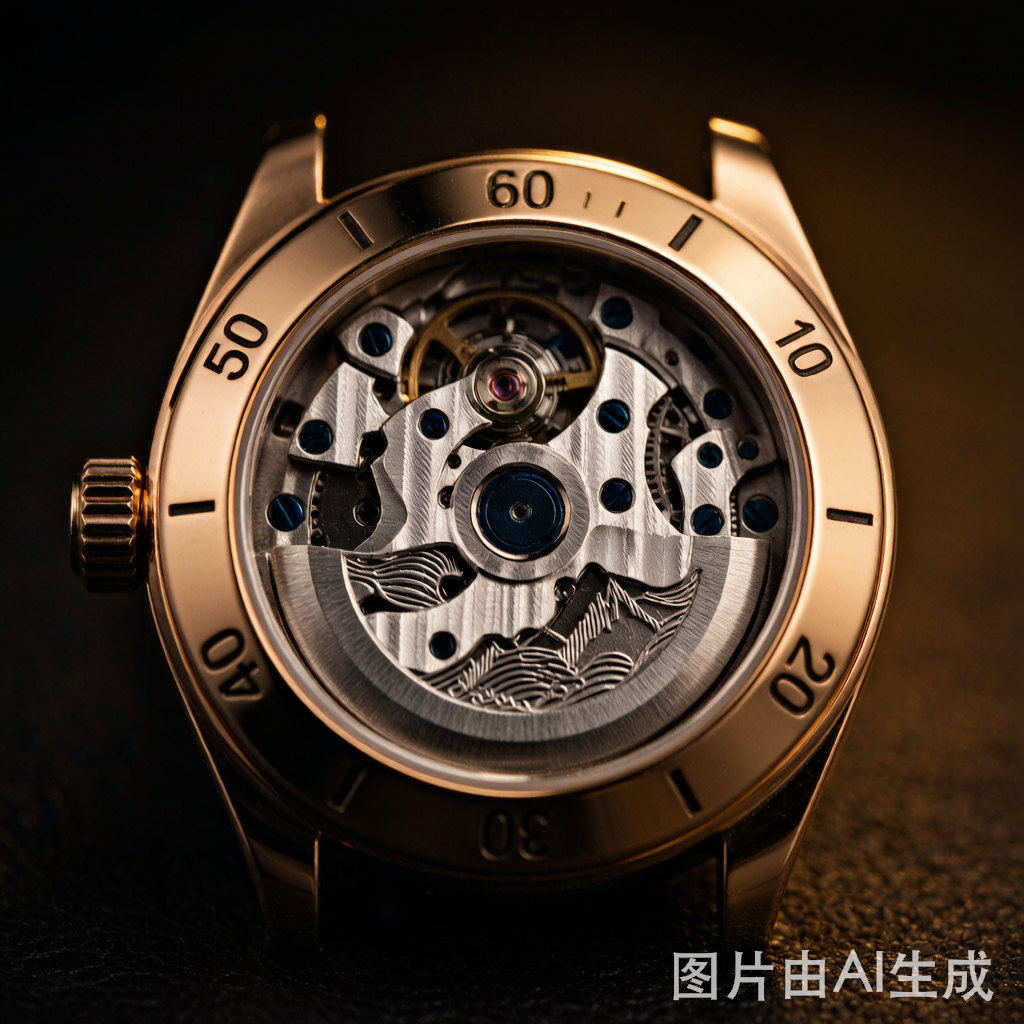
1. Display Case Back (Exhibition Case Back)
The display case back features a transparent window — typically made of sapphire crystal — that reveals the movement underneath. This design is favored for automatic and mechanical watches with decorated movements, allowing owners to appreciate the engineering and finishing that would otherwise be hidden.
Display case backs are particularly valued for watches with:
- Geneva striped bridges with perlage and anglage decoration
- Rotor engraving — custom rotors with brand logos or decorative patterns
- Tourbillon cages — visible from both front and back
- Skeleton movements — see skeleton watch guide
- COSC-certified movements — showcasing chronometer certification
The trade-off of display case backs is reduced water resistance. The transparent crystal insert creates an additional sealing surface, and the gasket design is more complex than a solid case back. Most display case backs are limited to 50-100 meters of water resistance, making them unsuitable for professional dive watches.
2. Solid Case Back
The solid case back is a single piece of metal — typically stainless steel, titanium, or bronze — with no transparent window. This design offers superior water resistance, impact protection, and structural rigidity. Solid case backs are standard on:
- Dive watches rated to 200m or deeper
- Military and tactical watches requiring maximum durability
- Tool watches designed for extreme conditions
- Quartz watches where movement decoration is less relevant
Solid case backs often feature engraved decorations, brand logos, serial numbers, and specifications. For private label brands, the solid case back provides a canvas for custom engraving — logos, mottos, limited edition numbers, and commemorative text — without the added cost of movement decoration.
3. Screw-Down Case Back
The screw-down (or threaded) case back uses a threaded mechanism that screws into the case like a jar lid. This design provides a superior seal compared to snap-on case backs, as the threading applies even pressure on the gasket around the entire circumference. Screw-down case backs are standard on:
- Dive watches rated to 100m or deeper
- Screw-down crown watches
- Premium sport watches requiring robust sealing
- Watches with anti-magnetic protection
The screw-down mechanism requires specialized tools (case back wrench) for removal, which is an advantage for water resistance but a consideration for service accessibility. For B2B buyers, screw-down case backs indicate a higher quality standard compared to snap-on designs.
4. Snap-On (Pressure-Fit) Case Back
Snap-on case backs are pressed into place and held by friction and a gasket. This design is common on quartz watches and fashion timepieces where cost efficiency is prioritized. Snap-on backs offer adequate sealing for 30-50 meter water resistance but are unsuitable for serious water exposure.
Advantages of snap-on case backs:
- Lower manufacturing cost
- Easier service access (requires minimal tools)
- Thinner profile suitable for dress watches
- Adequate for everyday splash resistance
Disadvantages include lower water resistance, potential for gasket failure over time, and less secure attachment. For budget watch sourcing, snap-on case backs are acceptable for fashion and entry-level timepieces.
5. Screw-Down with Display Window
Some modern watches combine a screw-down case back with a sapphire display window, achieving both water resistance and movement visibility. This hybrid design uses a more complex gasket arrangement and is typically found on premium sport watches that want to showcase an automatic movement while maintaining 100-200m water resistance.
6. Exhibition Case Back with Anti-Magnetic Shield
Watches meeting the METAS Master Chronometer standard often use a special case back design that incorporates a soft iron anti-magnetic shield beneath the display crystal. This allows movement visibility while providing magnetic resistance up to 15,000 gauss. The shield features a laser-cut aperture that aligns with the most visually interesting movement components.
Case Back Materials
Stainless Steel (316L)
316L stainless steel is the most common case back material, offering excellent corrosion resistance, durability, and hypoallergenic properties. It can be polished, brushed, or blasted for various finishes. For wholesale watch manufacturing, 316L steel case backs are the standard for quality timepieces.
Titanium
Titanium case backs are lighter and more corrosion-resistant than steel, making them ideal for dive watches and titanium timepieces. Titanium is approximately 45% lighter than steel and offers superior biocompatibility. However, titanium is more expensive to machine and can show scratches more readily.
Sapphire Crystal (Display Backs)
For display case backs, sapphire crystal is the premium choice, offering Mohs hardness 9 scratch resistance. Mineral glass is a budget alternative but scratches more easily. Some mid-range watches use mineral glass for the case back while reserving sapphire for the front crystal.
Bronze and Brass
Bronze case backs develop a unique patina over time, appealing to enthusiasts who appreciate character and individuality. However, bronze can cause skin reactions in some individuals, so many bronze watches use a steel case back for skin contact. For 2026 watch trends, bronze remains a niche but growing material choice.
Ceramic and Composite Materials
High-end watches increasingly use ceramic or carbon composite case backs for weight reduction and aesthetic differentiation. These materials are more common in luxury timepieces and limited editions.
Case Back Sealing and Water Resistance
The case back’s sealing method is the primary determinant of a watch’s water resistance rating. Understanding the relationship between case back design and water resistance is crucial for B2B sourcing:
O-Ring Gaskets
The most common sealing method uses a rubber O-ring gasket compressed between the case back and case. The quality of this gasket — its material (nitrile, silicone, or fluorocarbon), compression ratio, and surface finish — directly affects water resistance. For quality control, gasket inspection is a mandatory step in the production process.
Screw-Down vs Snap-On Water Resistance
| Case Back Type | Typical Water Resistance | Recommended Use |
|---|---|---|
| Snap-on | 30-50m | Splash, rain, hand washing |
| Screw-down (solid) | 100-500m+ | Swimming, diving, professional use |
| Screw-down (display) | 50-200m | Swimming, light diving |
| Display (screw-down, premium) | 100-300m | Swimming, recreational diving |
For ISO 6425 dive watches, a solid screw-down case back is the standard. The helium escape valve is typically integrated into the case rather than the case back.
Case Back Engraving and Customization
For private label brands and custom watch design, the case back offers significant branding real estate:
Brand Engraving
Logos, brand names, and taglines are commonly laser-engraved or stamped on solid case backs. The level of detail ranges from simple text to complex logos and decorative patterns. For OEM/ODM manufacturing, case back engraving is a standard customization option with minimal additional cost.
Serial Numbers and Limited Edition Marking
Each watch should have a unique serial number engraved on the case back for warranty tracking and authentication. Limited edition watches often feature numbered markings (e.g., “12/250”) that enhance collectibility and retail value.
Custom Art and Commemorative Engravings
Some brands offer custom case back engraving services, allowing customers to personalize their watches with names, dates, or artwork. This is a value-added service that wholesale distributors can offer to corporate clients or as gift options.
Specifications and Water Resistance Marking
Professional-grade watches typically engrave water resistance depth, magnetic resistance rating, movement caliber, and certification numbers on the case back. This information serves both marketing and functional purposes.
Quality Indicators for Case Backs
When evaluating watch quality, case back construction reveals significant information about build standards:
1. Gasket Quality
Inspect the case back gasket for uniform thickness, proper compression, and material quality. Silicone and fluorocarbon gaskets are superior to basic nitrile rubber. Gaskets should be lubricated with silicone grease, not dry.
2. Thread Quality (Screw-Down)
Screw-down case backs should thread smoothly without cross-threading or excessive resistance. Threads should be clean, properly lubricated, and free of debris. Rough threading indicates poor machining and may compromise the seal.
3. Case Back Flatness
The case back must be perfectly flat to ensure uniform gasket compression. Warped or uneven case backs create leak paths and are a QC failure. Check flatness with a straightedge or precision surface plate.
4. Engraving Quality
Engravings should be crisp, legible, and uniformly applied. Laser engravings should show consistent depth and contrast. Stamped engravings should show no deformation of the surrounding metal.
5. Display Crystal Clarity (Display Backs)
For display case backs, the sapphire or mineral crystal should be clear, scratch-free, and properly seated. Anti-reflective coating on the inner surface enhances movement visibility.
Case Back Maintenance and Service
Regular Gasket Replacement
Case back gaskets should be replaced every 2-3 years during regular watch service. Degraded gaskets are the most common cause of water ingress. For dive watches, annual gasket inspection is recommended.
Proper Opening and Closing
Screw-down case backs require proper tools (case back wrench or rubber ball) to open without damage. Cross-threading during reassembly is a common service error. Always lubricate the gasket with silicone grease before reassembly.
Pressure Testing After Service
After any case back removal, the watch should be pressure tested to verify water resistance. This is a mandatory quality control step for water-resistant watches.
Sourcing Decisions: Display vs Solid
For B2B buyers, the choice between display and solid case backs depends on:
When to Choose Display Case Backs:
- Automatic watches with decorated movements
- Dress watches and classic timepieces targeting enthusiasts
- Watches with tourbillon or skeleton movements
- Limited editions emphasizing movement quality
- Watches targeting watch enthusiasts and collectors
When to Choose Solid Case Backs:
- Dive watches rated to 200m or deeper
- Military and tactical watches
- Quartz watches where movement decoration is less relevant
- Budget watches where cost optimization is priority
- Watches requiring maximum anti-magnetic protection
Working with Shenzhen manufacturers or Guangzhou suppliers, buyers can specify case back type, material, sealing method, and engraving as part of custom watch specifications.
Conclusion
The watch case back is a critical component that balances water resistance, movement protection, aesthetic presentation, and brand identity. Whether choosing a transparent display back to showcase Geneva striped movements or a solid screw-down back for maximum water resistance, the case back type must align with the watch’s intended use and target market.
For wholesale buyers and OEM manufacturers, understanding case back types, materials, and quality indicators is essential for making informed sourcing decisions. By prioritizing proper sealing, material quality, and construction standards, buyers can ensure their wholesale watch inventory meets professional water resistance standards and delivers reliable performance across diverse market segments.
Related Articles
- Waterproof Watches Guide
- Dive Watches Guide
- Watch Crystal Types
- Automatic Watches Guide
- Movement Decoration Techniques
- Anti-Magnetic Technology
- Private Label Watches Guide
- Quality Control Standards
- Watch Care and Maintenance
- Watch Crown Types
Explore our complete guide library for wholesale watch business and custom watch design. Reference: Wikipedia: Watch Case Backs
Leave a Reply